Just before the end of 2025, the EU Parliament and the EU Council reached an exciting agreement that should lead to a novel uniform legal framework for new genomic techniques (NGT).
The handling of genetically modified organisms (GMOs) has been regulated in the EU since 2001. The EU genetic engineering regulations, in particular EC No. 1829/2003 and 1830/2003 based on 2001/18/EC, regulate the authorization, monitoring, labeling, and traceability of genetically modified organisms (GMOs) in food and animal feed in order to protect humans, animals, and the environment. These regulations also govern the controlled cultivation of GMOs in the EU, with only a few genetically modified plants approved (e.g., modified corn in Spain).
In addition to the authorization restrictions, there is also the option of a cultivation opt-out procedure, which Germany has pursued with regard to the aforementioned modified corn and which excludes the cultivation of GMO corn in Germany.
Since the introduction of the initial genetic engineering regulations, however, technical possibilities have evolved, and it was foreseeable that developments using new genomic techniques (NGT) such as CRISPR/Cas9 would not be adequately addressed in the regulations.
The decisive starting point of the genetic engineering regulations is that GMOs are organisms whose genetic material have been modified in a way that could not occur naturally, through the incorporation of foreign genes, such as transgenes.
With NGTs, it is now possible to introduce genetic modifications that could likewise occur naturally, e.g., through point mutations or lengthy selection in conventional breeding. Given the current state of technology, it is not always possible to make a clear distinction between conventionally bred plants and NGT-modified plants.
This uncertainty is paralyzing all parties involved. It is damaging to innovative companies and will most likely prevent new developments that we will all urgently need in the context of rapidly changing climate conditions. After years of negotiations, the EU Parliament and EU Council have now agreed on a compromise that includes a more detailed subdivision of the definitions.
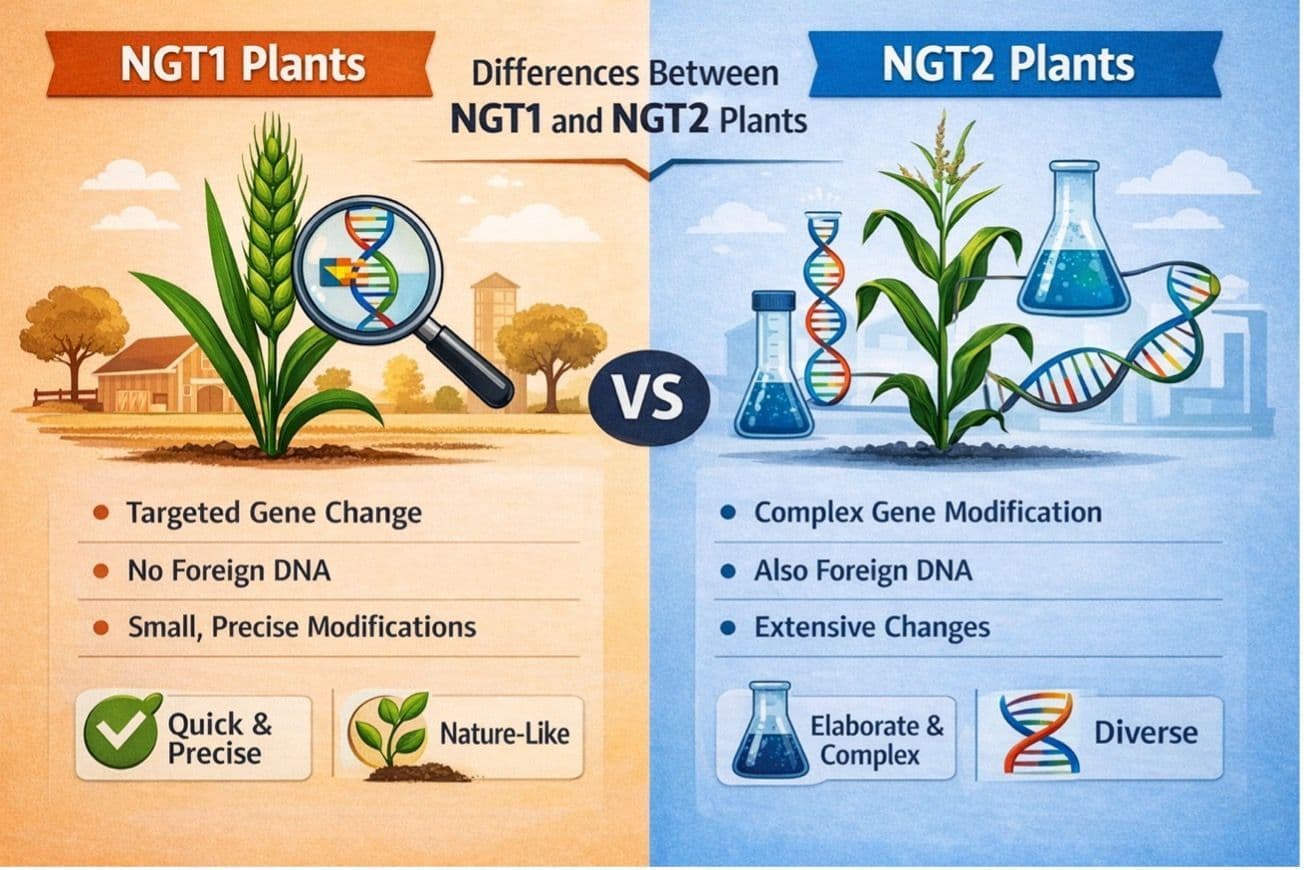
If the current proposal is accepted, simple NGT plants (NGT1) (with minor changes to the genome) will be treated the same as conventional breeds. They will then be exempt from strict labeling requirements and a less complex approval process will be possible.
At first glance, this may seem contradictory, but from a scientific point of view, it makes little difference which techniques were used to introduce the change, whether through breeding or genomic technology. A classification based on the end result and asking whether a change could also have been achieved by “natural” means, such as breeding, therefore seems plausible. Essentially, it is hoped that the exemption of such “directly edited organisms without foreign DNA” will significantly accelerate research and further development, e.g., in plant breeding.
At the same time, it is stipulated that more complex NGT plants (NGT2) will continue to be treated as GMOs and will be subject to stricter—but reformed—rules on labeling and approval. The new definitions specify in detail that GMOs with foreign DNA or transgenes will continue to be subject to GMO regulations.
There is optimism that the clear definitions of “NGTs” and “GMOs” will improve legal certainty for science, industry, and consumers. The final decision reforming the existing GMO legislation is expected in spring 2026 following the trilogue procedure (Commission, Council, Parliament).
For us IP professionals, it was particularly worrying that this legislative proposal also discussed the fundamental question of patentability of NGT plants, which, temporarily, was even rejected. The current compromise proposal provides for a more acceptable regulation.
Patents on NGT plants will remain possible and are more important than ever! How else can such small but hopefully significant changes to the genomic sequence be protected from imitation? According to the proposal, in the future, companies or breeders applying for registration/approval of an NGT1 plant will have to submit information on existing or pending patents and make this available in a publicly accessible database.
One year after the regulation comes into force, the Commission is to publish a study on the impact of patenting on innovation, the availability of seeds for farmers, and the competitiveness of the plant breeding sector in the EU. Then, at the latest, it will become clear whether the planned new EU regulation provides patent applicants and innovative companies with a clear and robust framework that both promotes innovation and ensures product safety. Stay tuned…
References: //www.consilium.europa.eu/en/press/press-releases/2025/12/04/new-genomic-techniques-council-and-parliament-strike-deal-to-boost-the-competitiveness-and-sustainability-of-our-food-systems/
The image used in this blog post was generated using publicly available artificial intelligence.

- April 17, 2026
 March 27, 2026
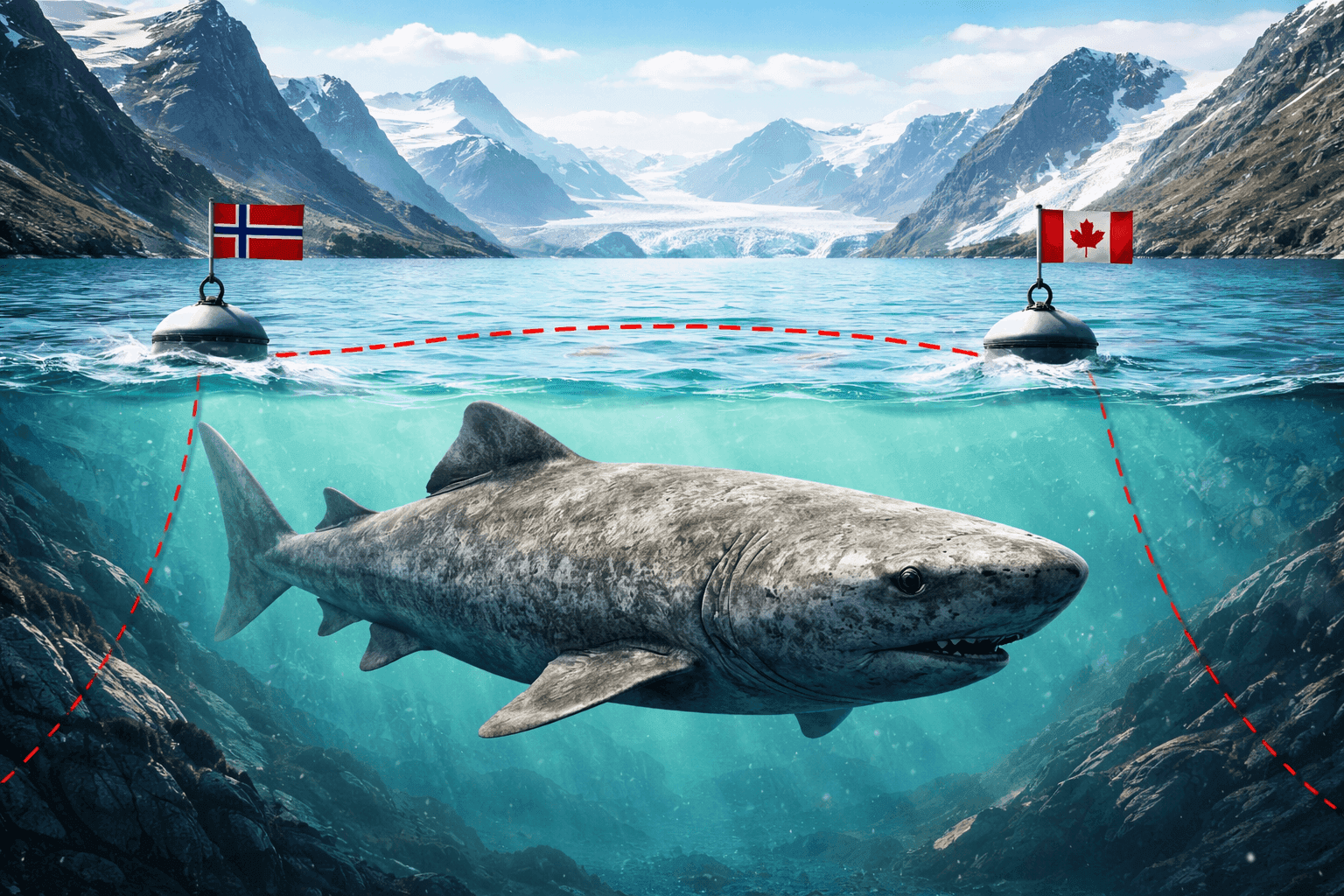
The Greenland Shark and the Interpretation of Declarations of Intent
Ecosystems do not adhere to the artificial boundaries between countries that we have created. Rather, they extend beyond national borders.
A New Era for Computer-Implemented Inventions in Australia
Australia’s Federal Supreme Court (the ‘High Court of Australia’) dashed hopes for greater clarity in the patentability of computer-implemented inventions when, in 2022, it handed down a 3–3 split decision in _Aristocrat Technologies Australia Pty Ltd v Commissioner of Patents_ ([2022] HCA 29).